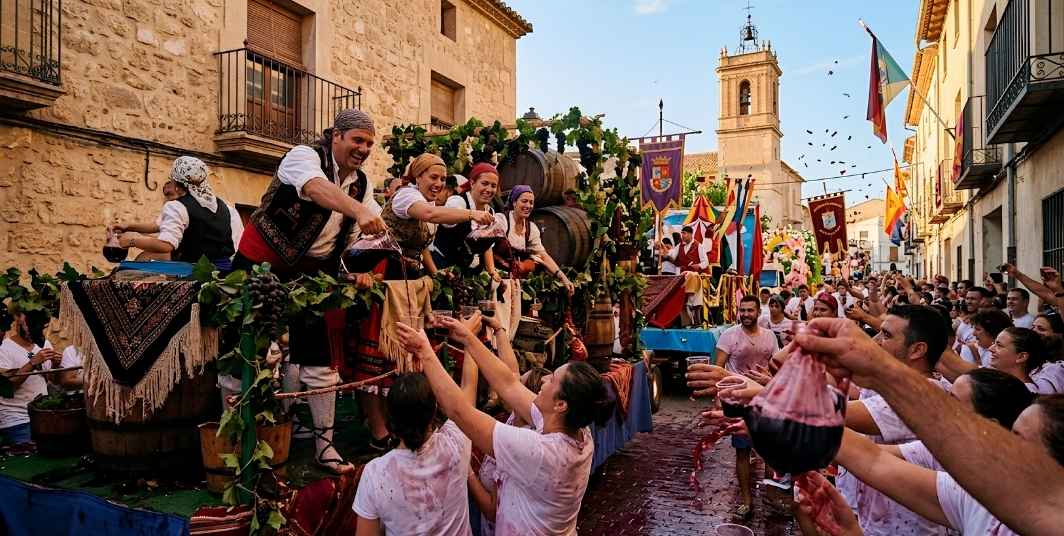

Jumilla is one of the places par excellence where we find cellars and vineyards famous throughout the national and international territory. In this article you will learn a little more about its origins and the history of the wine.
Introduction and historical context
The making and consumption of wine on Spanish soil is a very ancient tradition, influenced in part by the Phoenicians, an ancient civilisation that settled along the Mediterranean coast.
With time this drink drawn from the vine became typical of the peninsula. It was used as the principal drink in rituals, banquets and celebrations in general.
Later, the Romans invaded the territory of Jumilla, dividing the different lands and the slaves. This gave a more rustic way of life: they focused on the cultivation of the Mediterranean triad, the exploitation of esparto, irrigated crops, as well as the raising of livestock.
Regrettably, there are no important data on this district in the medieval and Christian periods. After these stages, findings indicate the use of wine in Orosius and Saint Isidore.
News is found in the sixteenth century of wine production and the cultivation of the vine in Jumilla, in the Relaciones Topográficas of Philip II, dating from 1579.
In the replies of Hellín of 1575, in the nearby city of Yecla, there is mention of the import of wines from nearby ports and of the vineyard as an abundant product in the nearby zones, that is, other municipalities of the D.O. Jumilla. All this shows that at that time neighbouring towns recognised the cultivation of the vine and the abundance of wine in Jumilla.
Texts of King Philip III dating from 1599 refer to the guild dedicated to the care of the vine-growers. From the sixteenth century there was also found an ordinance that forbade the population to let livestock enter the vineyards until four days after the harvest, for the harvested grapes were left to sun on the plot so that they would gain in degree; this order applied throughout the year and was maintained until the nineteenth century.
In 1667 it is documented for the first time that the district of Jumilla paid a tax on wine. According to minutes found in the archive of the Cathedral of Murcia, the tax was applied because of the considerable increase in production and export of wine. It is estimated that at that time nearly 75% of the vine cultivation of the seven towns of the D.O. Jumilla was irrigated. By the year 1755, according to studies, it is believed that Jumilla had approximately 335 hectares of vineyard, concentrated in what is today El Prado.
Wine production grew in the following century. A text in the Diccionario Geográfico Estadístico of P. Madoz of 1850 affirms that Jumilla produced some 15,000 arrobas of wine of an excellent aroma and great quality, thanks to an increase of up to 500 hectares of vine-growing surface.
In 1877 the wines of Jumilla were gaining fame to such a point that they were taken to the Exposición Vinícola Nacional held in Madrid. At that moment more than half of the cultivable territory of the municipality was dedicated to the vine, which represents nearly 1,500 hectares.
Despite the problems of the vineyards in the first years of the twentieth century, the growth of the wine culture did not stop, winning international prestige thanks to the quality of its productions. Today the whole province of Murcia dedicates some 10,837 hectares to the cultivation of the vineyard, being a region that stands out worldwide for the production of this alcoholic drink.
We hope that this brief introduction to the history of this wine-growing region will awaken the interest of wine enthusiasts to visit and enjoy the experience that Jumilla offers the consumer and the traveller.
Finest wines of Jumilla
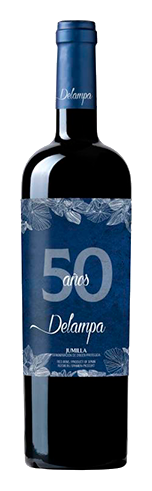
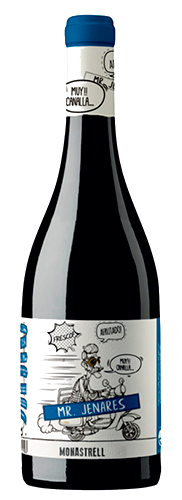
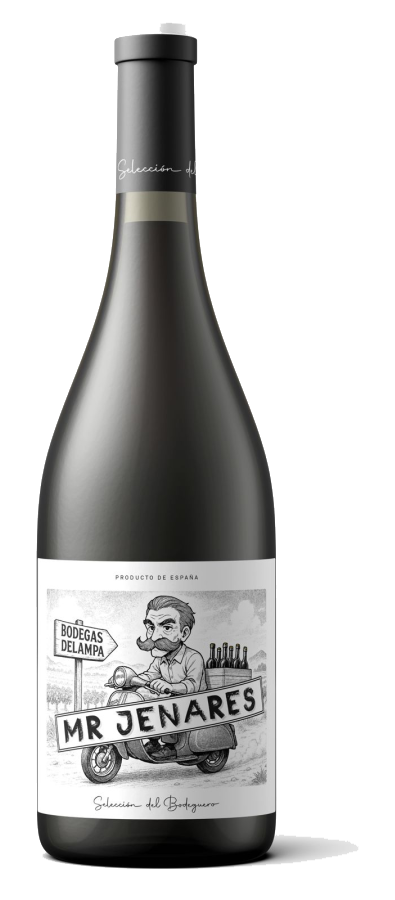
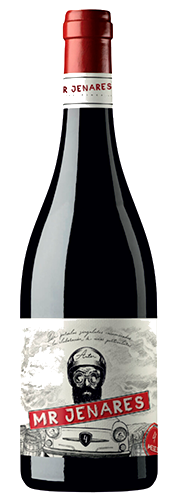
We also offer the possibility of acquiring the finest wines of Jumilla with us, and of beginning to discover the aroma and quality of this remarkable product.